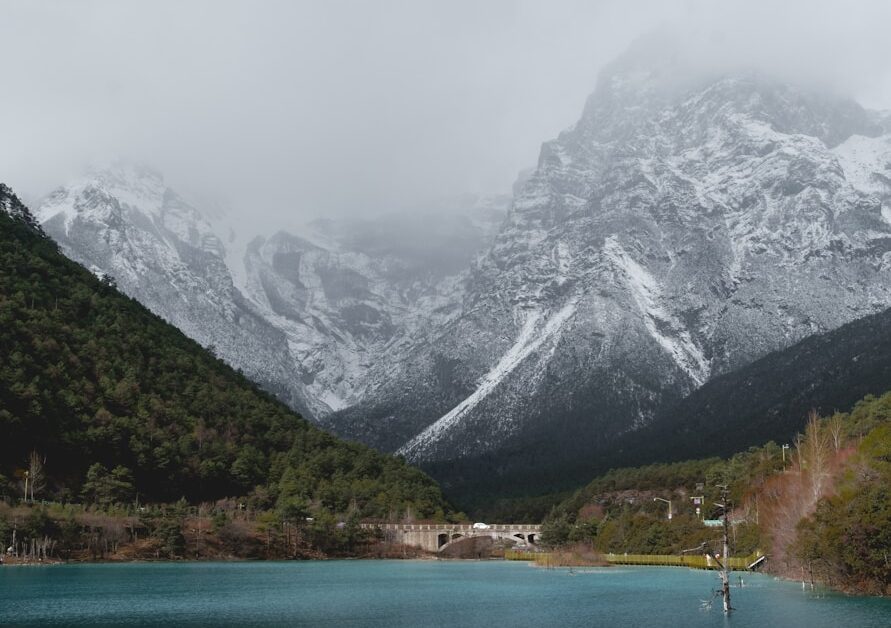

Begin your adventure in Lijiang Ancient Town, a UNESCO World Heritage Site. This charming old town features narrow cobbled streets, canals, and traditional Naxi architecture. The town buzzes with energy from street musicians, artisans, and travelers from around the world. Nearby, the majestic Jade Dragon Snow Mountain offers breathtaking alpine views, and the Black Dragon Pool reflects it beautifully on clear days.

Traveling in China can be an incredibly rewarding experience, but it also presents unique challenges, especially for foreign visitors. From language barriers to cultural differences, navigating the country requires preparation. Meanwhile, Yunnan Province stands out as one of China’s most diverse and breathtaking regions, offering everything from ancient towns to towering mountains. Below, we explore the hardest aspects of traveling in China, what to explore in Yunnan, essential preparations, and an in-depth look at Yunnan’s wonders.
Traveling through China offers many wonders, but one of the hardest things for foreign visitors is overcoming the language barrier and this challenge is especially real in Yunnan. Unlike major cities such as Beijing or Shanghai where English signage and speakers are more common, many parts of Yunnan remain deeply local. In rural towns like Shaxi or Yuanyang, it’s rare to find fluent English speakers. Basic tasks like reading a restaurant menu, asking for directions, or navigating public transportation can be difficult. While mobile apps like Google Translate or Pleco help with some translations, they often falter with handwritten Chinese, regional slang, or idiomatic expressions.
Moreover, certain aspects of daily life from queuing styles to dining etiquette reflect unspoken cultural norms that can feel unfamiliar. These differences can be confusing, especially for first-time travelers. However, most locals are kind-hearted and patient. A warm smile, a polite gesture, and an open mind can go a long way in bridging these gaps. In fact, overcoming these small struggles often leads to genuine moments of connection and cultural discovery.
Despite these challenges, Yunnan is one of the most enchanting and diverse provinces in China. Located in the country’s southwest, bordering Myanmar, Laos, and Vietnam, Yunnan is a vast region of snow-capped peaks, subtropical jungles, and rice-terraced hills. The province is home to 25 officially recognized ethnic minorities, making it a vibrant cultural tapestry. Whether you are a history enthusiast, a nature lover, or a seeker of spiritual journeys, Yunnan has something extraordinary to offer. Begin your adventure in Lijiang Ancient Town, a UNESCO World Heritage Site. This charming old town features narrow cobbled streets, canals, and traditional Naxi architecture. The town buzzes with energy from street musicians, artisans, and travelers from around the world. Nearby, the majestic Jade Dragon Snow Mountain offers breathtaking alpine views, and the Black Dragon Pool reflects it beautifully on clear days.
A few hours away, Dali awaits with its relaxed, artistic atmosphere. Nestled between the serene Erhai Lake and the dramatic Cangshan Mountains, Dali is a favorite among free-spirited travelers. Rent a bicycle and circle the lake, stopping by ancient villages and Bai minority communities along the way. Dali is also known for its handmade crafts especially silver jewelry and tie-dye textiles. Further north, at an altitude of over 3,000 meters, lies Shangri-La, a Tibetan-influenced town filled with fluttering prayer flags, yak-butter tea, and panoramic Himalayan views. Visit the stunning Songzanlin Monastery, also known as “Little Potala Palace,” and hike through the surrounding grasslands and valleys. The area’s rich Buddhist traditions and tranquil energy offer a soul-soothing contrast to urban life.
For those seeking awe-inspiring natural landscapes, the Yuanyang Rice Terraces in southern Yunnan are not to be missed. Sculpted by the Hani people over centuries, these terraced hills seem to flow like waves across the mountains. At sunrise, the water-filled terraces reflect the changing colors of the sky, creating a dreamlike scene that draws photographers from around the world. Staying in local guesthouses here also provides a unique opportunity to engage with Hani traditions and cuisine. Another destination that feels worlds apart is Xishuangbanna in the far south, a tropical region more reminiscent of Southeast Asia than northern China. Here you’ll find elephant reserves, lush botanical gardens, and the vibrant culture of the Dai ethnic group. The climate is hot and humid, so be sure to pack accordingly. Celebrations like the Dai Water Splashing Festival offer an unforgettable experience of joy, color, and spiritual cleansing.
Yunnan’s geological wonders are equally impressive. One such marvel is the Stone Forest (Shilin), located just outside Kunming, the province’s capital. This otherworldly karst landscape consists of tall limestone pillars that resemble petrified trees. The area is steeped in legend and local folklore and is one of China’s most iconic natural attractions. For more adventurous travelers, the sacred Meili Snow Mountain near Deqin offers some of the most dramatic scenery in the Tibetan Plateau. Often hidden behind clouds, this mountain is revered by Tibetan Buddhists and has never been summited. Trekking around its foothills reveals stunning glaciers, alpine meadows, and remote monasteries.
To enjoy Yunnan to the fullest, preparation is key. First, ensure you have a valid passport and a Chinese visa well in advance. Travel insurance is strongly recommended, especially if your itinerary includes high-altitude hiking or rural stays. Since many global websites and apps are blocked in China, install a VPN before you arrive if you need access to platforms like Gmail, Instagram, or WhatsApp. Download offline maps (Baidu Maps or Maps.me) and language tools like Google Translate or Pleco. China’s digital payment ecosystem is very advanced mobile apps like Alipay and WeChat Pay are accepted almost everywhere, though some rural spots still rely on cash. Currency exchange should be done in major cities, and always carry small bills for transport or food stalls.
Packing appropriately will also ensure a comfortable trip. Yunnan’s climate varies drastically due to its varied terrain. Kunming, known as the “City of Eternal Spring,” enjoys mild temperatures year-round, but Shangri-La and Deqin can be freezing, especially at night. Layered clothing is essential. In the rainy season (May to August), bring an umbrella or raincoat. Comfortable walking shoes are a must many ancient towns have uneven stone paths. Sunscreen, hats, and reusable water bottles are also helpful. While tap water isn’t drinkable, most hotels provide kettles or bottled water.
Health precautions include checking if you’re prone to altitude sickness, especially if you plan to visit regions above 3,000 meters. Altitude pills, rest, and hydration help with acclimatization. Vaccinations like Hepatitis A, Typhoid, and Tetanus are often recommended for travelers to rural areas. Basic medications and a small first-aid kit are worth packing too. Most importantly, keep emergency contacts and addresses written in both English and Mandarin in case of phone issues or emergencies.
As you travel deeper into Yunnan, you’ll begin to appreciate its incredible diversity. The province’s 25 ethnic minorities maintain distinct traditions, languages, and festivals. The Bai people in Dali are known for their love of poetry and floral patterns. The Naxi in Lijiang still practice matriarchal customs and perform ancient Dongba rituals. The Tibetan communities in Shangri-La follow Buddhist teachings with devotion and warmth. Festivals like the Torch Festival of the Yi people or the Water Splashing Festival of the Dai offer unforgettable cultural immersion. Respect and curiosity go a long way ask before taking photos, dress modestly in villages, and try learning a few local greetings.
Yunnan is also a paradise for lovers of nature and tea. With over 17,000 species of plants, the region is one of the richest biodiversity hot spots in China. Red pandas, snow leopards, and rare orchids still survive in its nature reserves. The province is also the birthplace of Pu’er tea a fermented variety that is prized around the world for its complexity and health benefits. Join a tea-picking tour or sip freshly brewed Pu’er in a wooden tea house on a misty mountain morning.
Food in Yunnan is wonderfully surprising. While not as famous as Sichuan or Cantonese cuisine, it is colorful, earthy, and full of fresh herbs. Mushrooms, goat cheese, sour pickles, and wild greens are staples in many local dishes. The most iconic dish is “Crossing-the-Bridge Noodles,” where ingredients are added one by one to a piping hot bowl of broth. Each region has its own specialty grilled meats in Shangri-La, mushroom hotpot in Kunming, or banana-leaf-wrapped snacks in Xishuangbanna.
In the capital city of Kunming, travelers can wind down in modern comforts. As a transportation hub and cultural center, Kunming combines clean parks, Buddhist temples, and lively night markets. Its climate is mild year-round, and the air is cleaner than in most large Chinese cities. Visit the Yunnan Provincial Museum or take a stroll through Green Lake Park to witness locals dancing, singing, and practicing tai chi at dawn.
In conclusion, Yunnan is more than just a place to visit it’s a story you walk through. Every step in its ancient towns, every sip of its mountain tea, and every smile from a stranger adds a layer of meaning to your journey. It’s a destination where nature and culture harmonize in breathtaking ways. You’ll be challenged, yes by the language, the roads, or the altitude but you’ll also be rewarded with experiences unlike any other. So pack light, bring an open heart, and let Yunnan surprise you. Because sometimes, the most beautiful places are the ones that require a little extra effort to reach.
Yunnan is home to 25 officially recognized ethnic minorities, making it the most culturally diverse province in China. Every group — from the Yi to the Miao, from the Naxi to the Bai — has unique festivals, music, dress, and spiritual traditions. You’ll often encounter drum dances, herbal healing practices, or ceremonies that are centuries old.
With its varied terrain and climate, Yunnan is a global biodiversity hotspot. It houses over 17,000 plant species and hundreds of animal species, including red pandas, snow leopards, and gibbons. The province has multiple nature reserves that allow eco-tourism and conservation education.
Yunnan is the birthplace of Pu’er Tea, a fermented tea that’s aged for years and known for its deep, earthy taste. You can join tea tours, visit factories in Pu’er city, and even witness traditional tea ceremonies in the mountains.
Yunnan cuisine is colorful and distinct from typical Chinese food. Expect to find ingredients like:
One must-try dish is “Crossing-the-Bridge Noodles” — a bowl of hot broth served with rice noodles, meats, and vegetables added in freshly to cook at the table.
Kunming, the capital of Yunnan, is nicknamed the City of Eternal Spring due to its mild weather all year round. Flowers bloom even in winter, and temperatures stay around 15–25°C, making it one of China’s most livable cities.
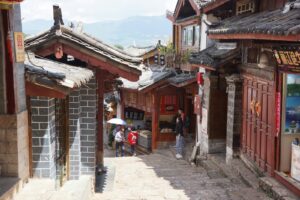
A UNESCO World Heritage Site, Lijiang’s old town is a picturesque maze of stone streets, bridges, wooden buildings, and canals. Once the heart of the Naxi Kingdom, it retains its traditional architecture and charm. Don’t miss the Black Dragon Pool and try walking up to Lion Hill for a great view of the rooftops and snow-capped Jade Dragon Snow Mountain.
Located between the Cangshan Mountains and Erhai Lake, Dali has a relaxed, bohemian vibe. Travelers often rent bikes and cycle around the lake, visit Three Pagodas, or chill in cozy cafés run by artists and musicians. Dali is also known for silverwork and tie-dye crafts by the Bai minority.
At over 3,000 meters above sea level, this Tibetan-influenced town offers a gateway into another world. Visit the Songzanlin Monastery — often called the “Little Potala Palace.” Prayer flags flutter in the wind, yak butter tea is served everywhere, and Tibetan traditions are deeply felt. The high altitude makes hiking here especially rewarding, though it’s important to acclimate slowly.
Located in the south of Yunnan, the rice terraces of Yuanyang are sculpted into the hillsides by the Hani minority. Best viewed at sunrise or sunset, the reflection of light on water-filled terraces creates a surreal, ever-changing mirror. The region also offers authentic homestays with local families.
A lush, tropical area that borders Southeast Asia, Xishuangbanna feels like a different country altogether. It’s home to the Dai people, elephant sanctuaries, and wild rainforests. You can visit botanical gardens, join water festivals, or explore jungle trails. It’s a hot and humid region, so prepare for a change of climate.
Located about 90 kilometers from Kunming, this unique geological formation is a surreal landscape of towering limestone pillars. Some resemble petrified trees, earning it the name “Stone Forest.” It’s a UNESCO-listed site and one of China’s natural wonders.
One of the most sacred mountains for Tibetan Buddhists, Meili Snow Mountain (or Kawagebo) is located near Deqin. It’s usually covered in mist, but when the clouds lift, the view is unforgettable. Pilgrimage routes surround the area, and the mountain is considered unclimbable — adding to its mystique.

Don’t just read about it. Experience it for yourself. Whether you’re drawn to misty rice terraces, sacred monasteries, or vibrant cultures that time has preserved, Yunnan is calling. Start planning your journey today, learn a few local phrases, and pack your curiosity.
Share this guide, bookmark it for your next adventure, and tag a friend you’d love to explore Yunnan with. The Land of Eternal Spring is waiting and the journey of a lifetime begins with a single step.
Need help planning your Yunnan itinerary? Contact us or leave a comment — let’s make your dream trip happen.